About Kilmainham

Explore the rich history and heritage of one of Dublin's most significant districts

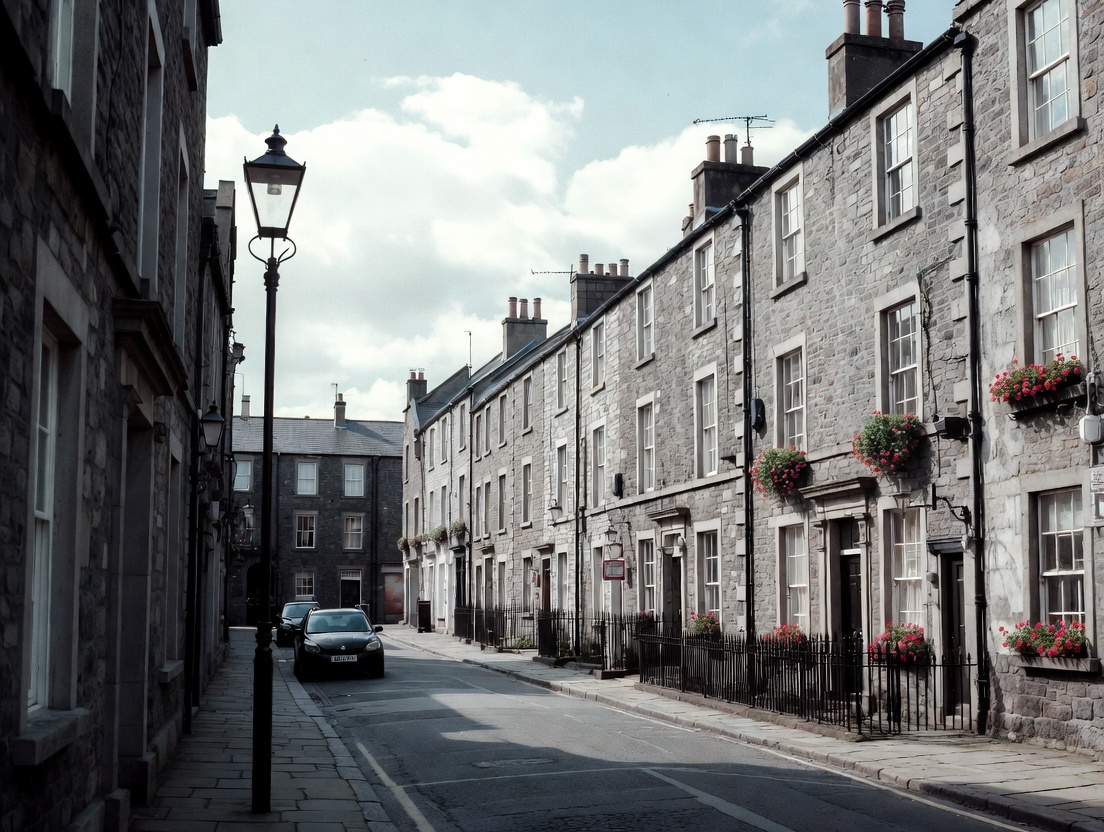
Historic streets of Kilmainham

A District Steeped in History

Kilmainham (Irish: Cill Mhaighneann, meaning "Church of Maighneann") is one of Dublin's oldest and most historically significant areas. Located on the south side of the River Liffey, approximately 3 kilometres west of Dublin city centre, this district has been a witness to over a thousand years of Irish history.

The name derives from an early Christian church founded by Saint Maighneann in the 7th century, establishing Kilmainham as a place of spiritual and historical importance from the very beginning of recorded Irish history.
Historical Timeline

7th Century

Early Christian Period

Saint Maighneann founded a church in the area, giving Kilmainham its name. This religious site became an important center of early Christian worship and learning in the Dublin region.

1174

Knights Hospitaller

The Knights Hospitaller, also known as the Knights of St. John, established their Irish headquarters at Kilmainham. They built a priory that would become one of the most important religious houses in medieval Ireland, wielding significant political and economic power.

1541

Dissolution of Monasteries

Under Henry VIII's dissolution of the monasteries, the Knights Hospitaller priory was suppressed. The lands and buildings were seized by the Crown, marking the end of centuries of religious dominance in the area.

1680

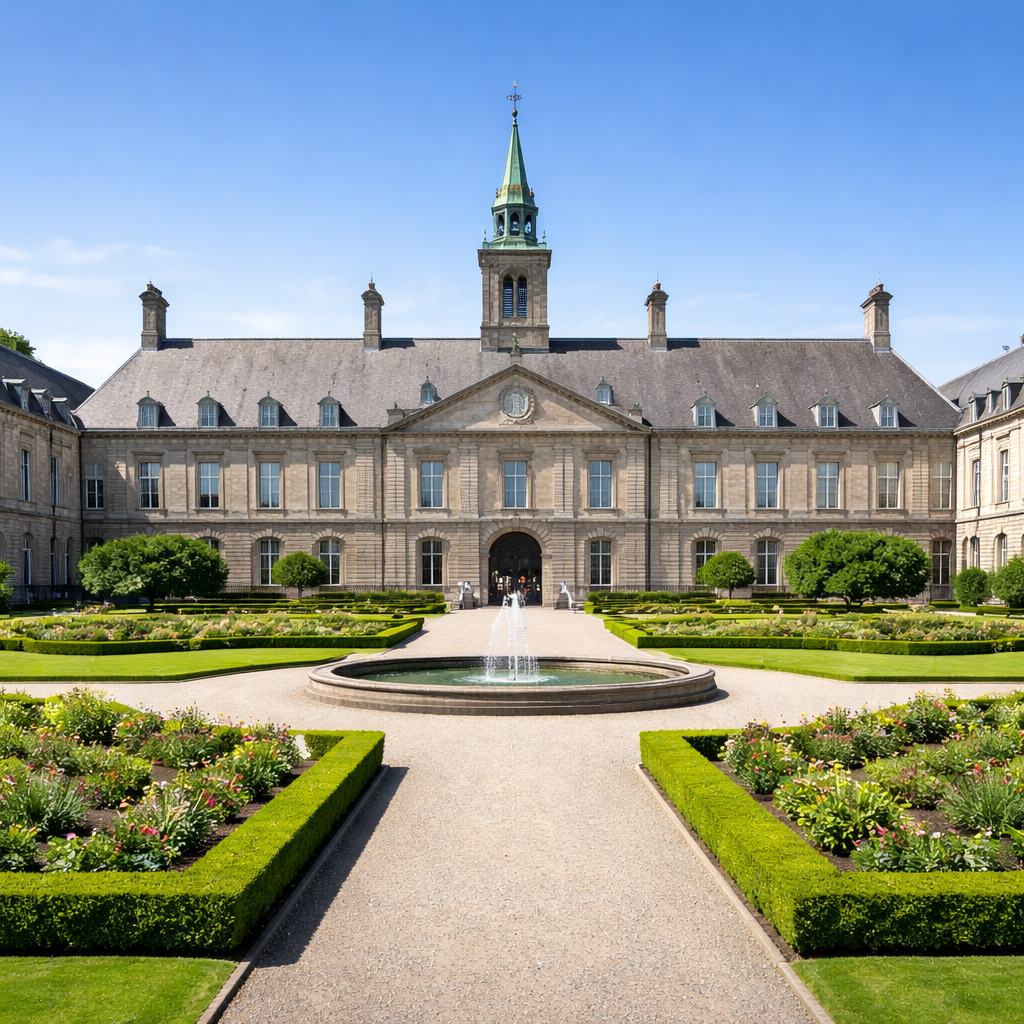
Royal Hospital Founded

The Royal Hospital Kilmainham was built as a home for retired soldiers, modeled on Les Invalides in Paris. It was one of the first classical buildings in Ireland and remains one of the finest 17th-century buildings in the country.

1796

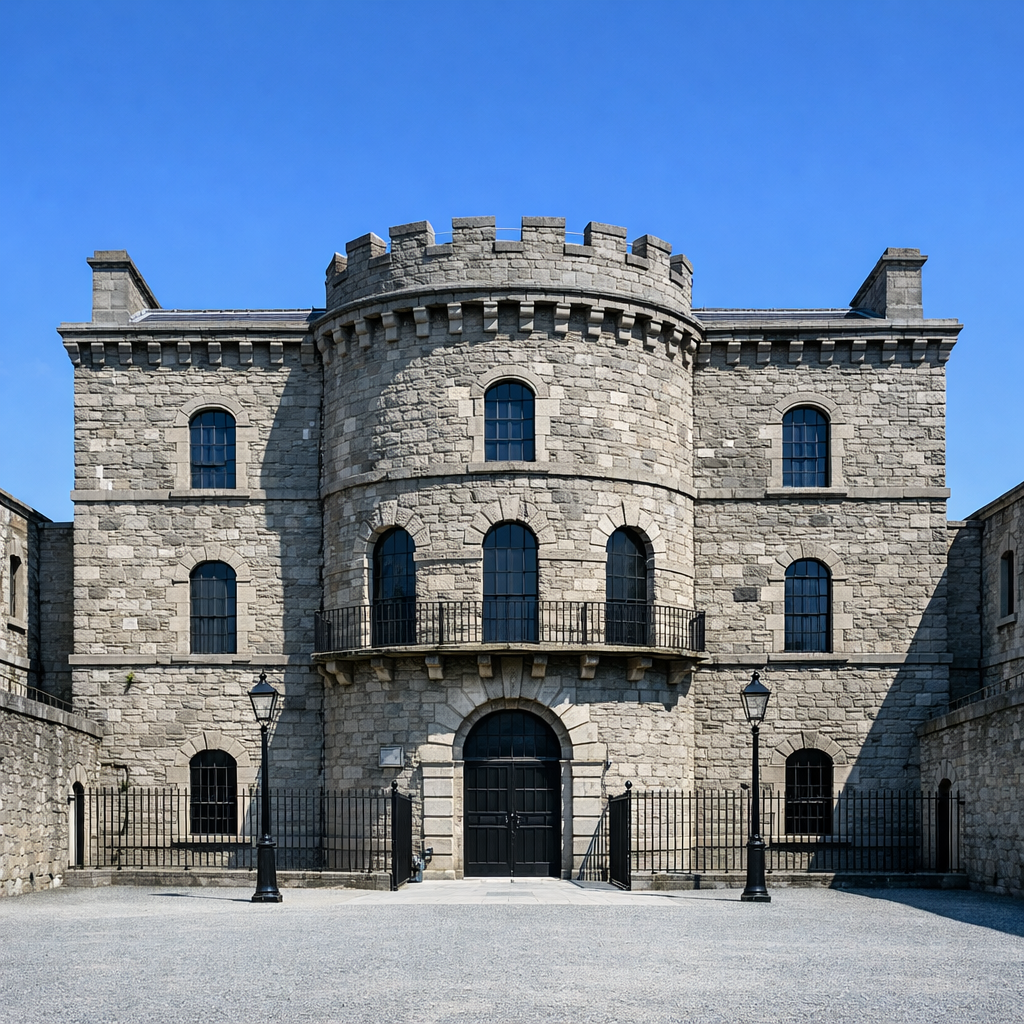
Kilmainham Gaol Opens

Kilmainham Gaol was built to replace the old prison at Kilmainham Commons. Over the following century and a half, it would hold many of Ireland's most famous political prisoners and become a symbol of Irish nationalism.

1916

Easter Rising Executions

Following the Easter Rising, fourteen leaders of the rebellion were executed by firing squad in the stonebreakers' yard of Kilmainham Gaol. These executions turned public opinion and galvanized the Irish independence movement.

1924

Gaol Closes

Kilmainham Gaol closed its doors as a prison. The last prisoner held was Éamon de Valera, who would later become President of Ireland. The building fell into disrepair over the following decades.

1960s

Restoration Begins

A dedicated group of volunteers began the painstaking restoration of Kilmainham Gaol, transforming it into a museum and memorial to Irish history. Their efforts preserved this crucial piece of Irish heritage.

1991

IMMA Opens

The Irish Museum of Modern Art opened in the restored Royal Hospital Kilmainham, giving new life to the historic building and establishing Kilmainham as a center for contemporary culture alongside its historical significance.

Today

Living Heritage

Today, Kilmainham is a vibrant district that seamlessly blends its rich historical heritage with modern Dublin life. It attracts hundreds of thousands of visitors annually who come to explore its museums, historic sites, and unique atmosphere.

Kilmainham Gaol

Symbol of Irish Independence

Kilmainham holds a special place in Irish hearts as a symbol of the struggle for independence. The executions at Kilmainham Gaol following the 1916 Easter Rising transformed public sentiment and accelerated the path to Irish independence.

Many of Ireland's most celebrated patriots spent time within Kilmainham's walls, including Robert Emmet, Charles Stewart Parnell, and the leaders of the 1916 Rising. Their sacrifices are commemorated throughout the district.

Visit Kilmainham Gaol
Royal Hospital & IMMA

Kilmainham Today

Modern Kilmainham is a thriving residential area that maintains its historical character while embracing contemporary Dublin life. The district is known for its beautiful Victorian and Georgian architecture, tree-lined streets, and strong community spirit.

The area has become a cultural hub, home to the Irish Museum of Modern Art (IMMA) and numerous galleries and creative spaces. Its proximity to Phoenix Park and excellent transport links make it one of Dublin's most desirable neighborhoods.

Visitors to Kilmainham can experience the unique atmosphere of a place where history is not just preserved in museums but woven into the fabric of everyday life. From the ancient Bully's Acre cemetery to the cutting-edge exhibitions at IMMA, Kilmainham offers a journey through time.

Ready to Explore?

Discover the landmarks and hidden gems of Kilmainham