← Back to Places
St. Patrick's Hospital, also known as Swift's Hospital, is Ireland's oldest psychiatric hospital and one of the oldest in the world. Founded by the famous satirist Jonathan Swift in 1746, it represents a groundbreaking approach to mental healthcare that was remarkably progressive for its time.
Swift, author of "Gulliver's Travels," left the bulk of his estate to establish a hospital "for idiots and lunaticks" in Dublin. His bequest reflected an Enlightenment concern for social welfare and a compassionate approach to those suffering from mental illness.
Jonathan Swift (1667-1745) was Dean of St. Patrick's Cathedral in Dublin and one of the greatest satirists in the English language. His decision to found a psychiatric hospital was influenced by his own struggles with what was likely Meniere's disease, which caused vertigo and hearing loss.
Swift wrote about his intentions in verse: "He gave the little wealth he had / To build a house for fools and mad / And showed by one satiric touch / No nation wanted it so much." The hospital opened a year after his death, fulfilling his humanitarian vision.
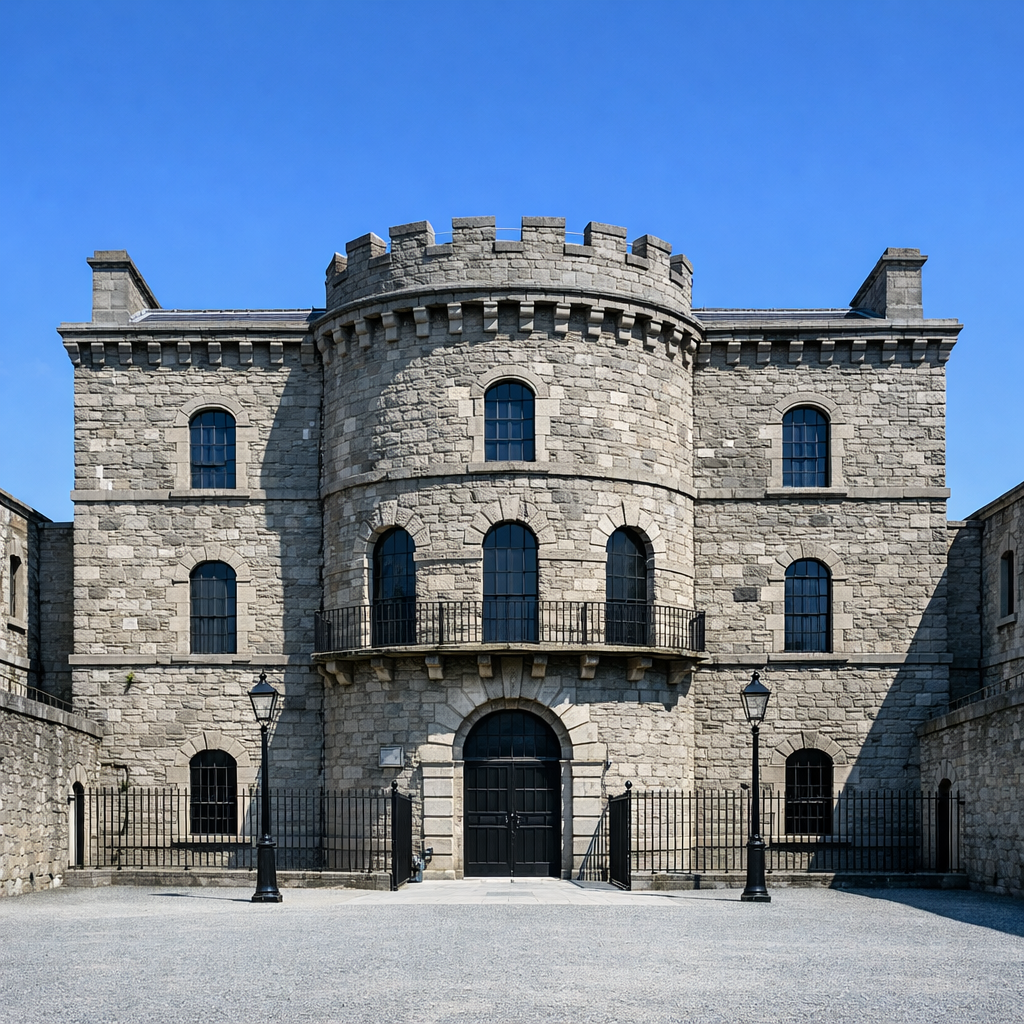
The original Georgian hospital building was designed by George Semple and completed in 1757. The building features classical proportions and elegant stonework typical of 18th-century institutional architecture. While the hospital has expanded significantly over the centuries, the original structure remains as a testament to Swift's legacy.
St. Patrick's was revolutionary in its approach to mental illness. Unlike many institutions of its era that treated patients as criminals, Swift's hospital aimed to provide humane care and, where possible, treatment and rehabilitation.
The hospital has continued to evolve with advances in psychiatric medicine, transitioning from a custodial institution to a modern mental health facility. Today, it provides comprehensive mental health services while honoring Swift's founding vision of compassionate care.
St. Patrick's Mental Health Services continues to operate on the historic Kilmainham site, providing inpatient and outpatient psychiatric care. The hospital has expanded its services to include a network of clinics throughout Ireland.
While the hospital itself is a working healthcare facility and not open to tourists, the building's exterior can be appreciated from the surrounding streets. The hospital stands as a living monument to Swift's humanitarian legacy.